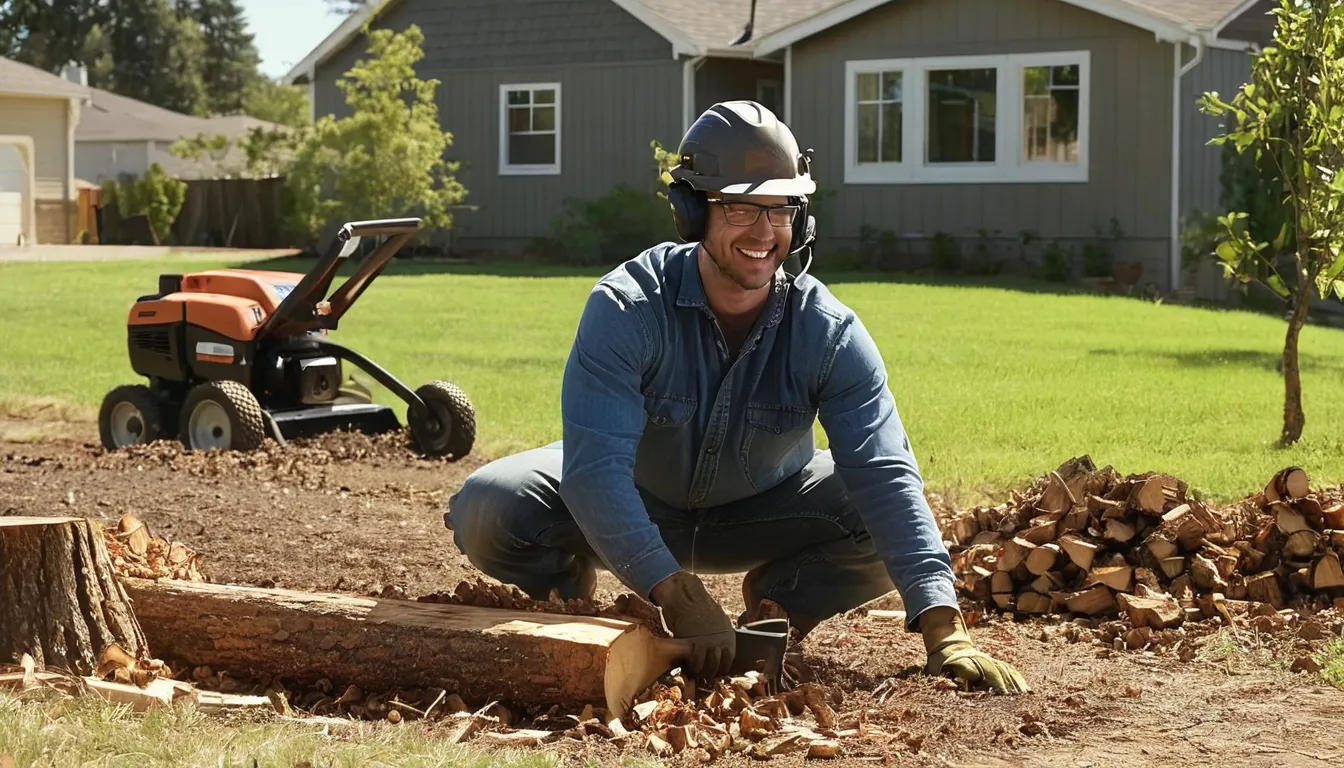
Need tree removal in Spring Hill?
Tell us about your tree and where it stands. Request a callback to check provider availability, or send a request and a local provider can follow up.
No obligationRequest a tree removal estimate
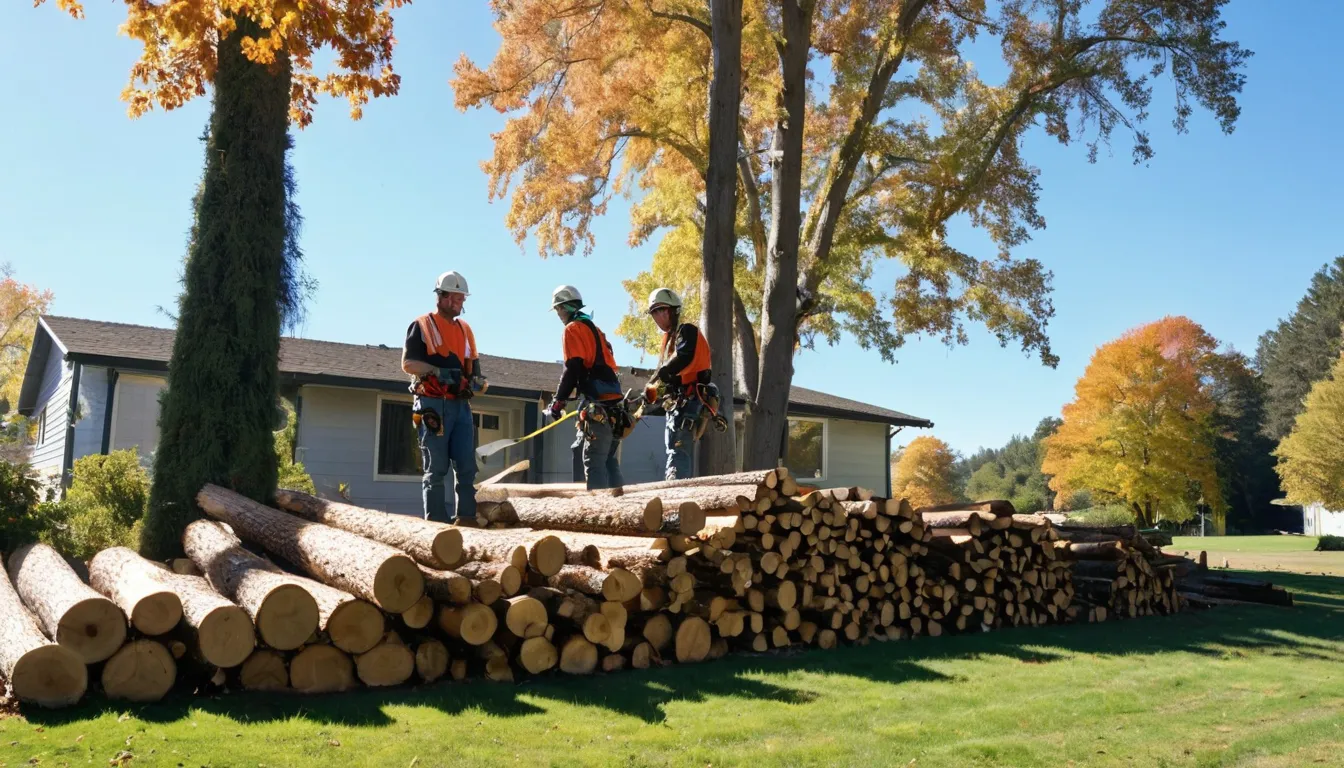
A tree can turn from a small worry into a big one fast. High wind, hail, and spring storms test every trunk. A leaning tree or a cracked limb is a sign to act early.
Lockdig Tree Service is a referral service. We do not cut or haul trees. We connect homeowners in the Spring Hill area with independent local providers who do. Tell us what you see, and a provider in our network can take it from there. Many providers can respond quickly, though availability varies. Costs depend on the tree, the site, and the season, so ask for a written quote before work starts.
Is a tree on your roof, on a power line, or across your drive? Keep everyone clear. Stay far from any downed line. Call local emergency services if anyone is in danger.
Once people are safe, you can look for help. Lockdig Tree Service is a referral service. We do not cut trees. We connect you with independent local providers who do.
Some jobs cannot wait. A trunk on a house, a split tree over a bedroom, or a limb on a wire all count. Providers call this emergency tree removal. Many providers can respond quickly, but hours and openings vary. Request a callback to check provider availability.
Severe spring storms bring hail, hard wind, and soaked ground. Wet soil loosens roots. Trees tip. After a big storm, many neighbors need storm tree clearance at once. Providers get busy. Asking early helps you get a spot in line.
Weather shapes this work. Here is how each season plays out in a place with big temperature swings.
Storms hit hardest now. New leaves catch wind like sails. Weak trees fail first.
Heat and dry spells stress trees. Dead limbs show up. A hailstorm can bruise bark and open a tree to rot.
Leaves drop, so dead branches are easy to spot. Many homeowners book removal before winter. It is a calm time to plan.
Winters are cold and dry. Frozen ground can hold heavy trucks well. Bare branches show the true shape of a tree. Ice can still snap limbs, so watch the big ones.
Look for these signs:
Wide lots and ranch homes often have big trees close to a roof, a fence, or a storm cellar door. Fix it while it is small. Skip the searching and ask for an estimate.
Most people have one of these reasons:
A provider visits first. They check the tree, the ground, and what stands nearby. Then they plan the cut.
On a wide lot, a tree falling service may fell the tree whole. "Felling" means dropping it in one piece. Tight spaces need a different plan. The crew cuts the tree down in sections and lowers each piece with ropes. Some jobs need a crane.
Last comes cleanup. Ask what the quote includes before you agree.
No two trees cost the same. Prices move with:
Costs vary by job. Get a written quote first.
Some cities want a permit for large or protected trees. Rules differ from town to town. Check with your city or ask the provider. Lines on poles belong to the utility, so never work near them yourself.
Ask each provider a few plain questions:
A provider in our network works on their own. Compare what they tell you.
A little prep helps the day go smoothly:
Walk the yard with the provider. Check for damage to fences and lawn. Take photos. Some policies may cover sudden damage, so check your policy. Providers can often help document damage for a claim.
The stump stays unless you plan for it. Many providers also offer stump grinding as a separate job. Pick a new tree that fits the space, then plant it in fall or spring.
Providers clear trees that fall or split in hail, high wind, and spring storms, including trees on roofs and fences.
Dead or sick trees drop limbs without warning. Providers take them down before they hurt people or property.
Tree too close to the house or in the way of a build? Providers plan the cut and safe removal.
Many providers cut logs, haul brush, and rake up the mess. Ask what your quote covers before you agree.
These are typical U.S. ranges. Your price depends on the tree, the site, and the season. Ask each provider for a written quote that lists what is and is not included.
| Job type | Typical range | Notes |
|---|---|---|
| Small tree, under 30 ft | $150 – $600 | Easy access keeps the price down |
| Medium tree, 30–60 ft | $400 – $1,500 | Trunk width and nearby objects matter |
| Large tree, over 60 ft | $1,000 – $3,500 | Often cut in sections |
| Storm-damaged tree | $500 – $4,000 | Risk and rush work can raise the price |
| Crane or hard access job | $1,500 – $5,000 | Needed when a tree sits close to a house |
| Haul-away and cleanup | $100 – $600 | Some quotes include it, some do not |
Share the tree's size, where it stands, and any damage. Note anything close by, like a roof or wire.
Lockdig Tree Service connects you with an independent local provider. Availability varies, so ask what openings they have.
Ask for a written quote. Check the price, cleanup, and any permit the job may need.
The provider cuts the tree down and clears the site. Walk the yard together when it is done.
Tell us about your tree once. We connect you with independent local providers, so you do less hunting.
A small problem is easier to fix than a fallen tree. Early action can also save money.
Providers in our network know local wind, hail, and soil. They plan the work to match.
Request an estimate and compare. You choose whether to hire.
Tell us about your tree and where it stands. Request a callback to check provider availability, or send a request and a local provider can follow up.
No obligationTell us about your tree and where it stands. Request a callback to check provider availability, or send a request and a local provider can follow up.
No obligation